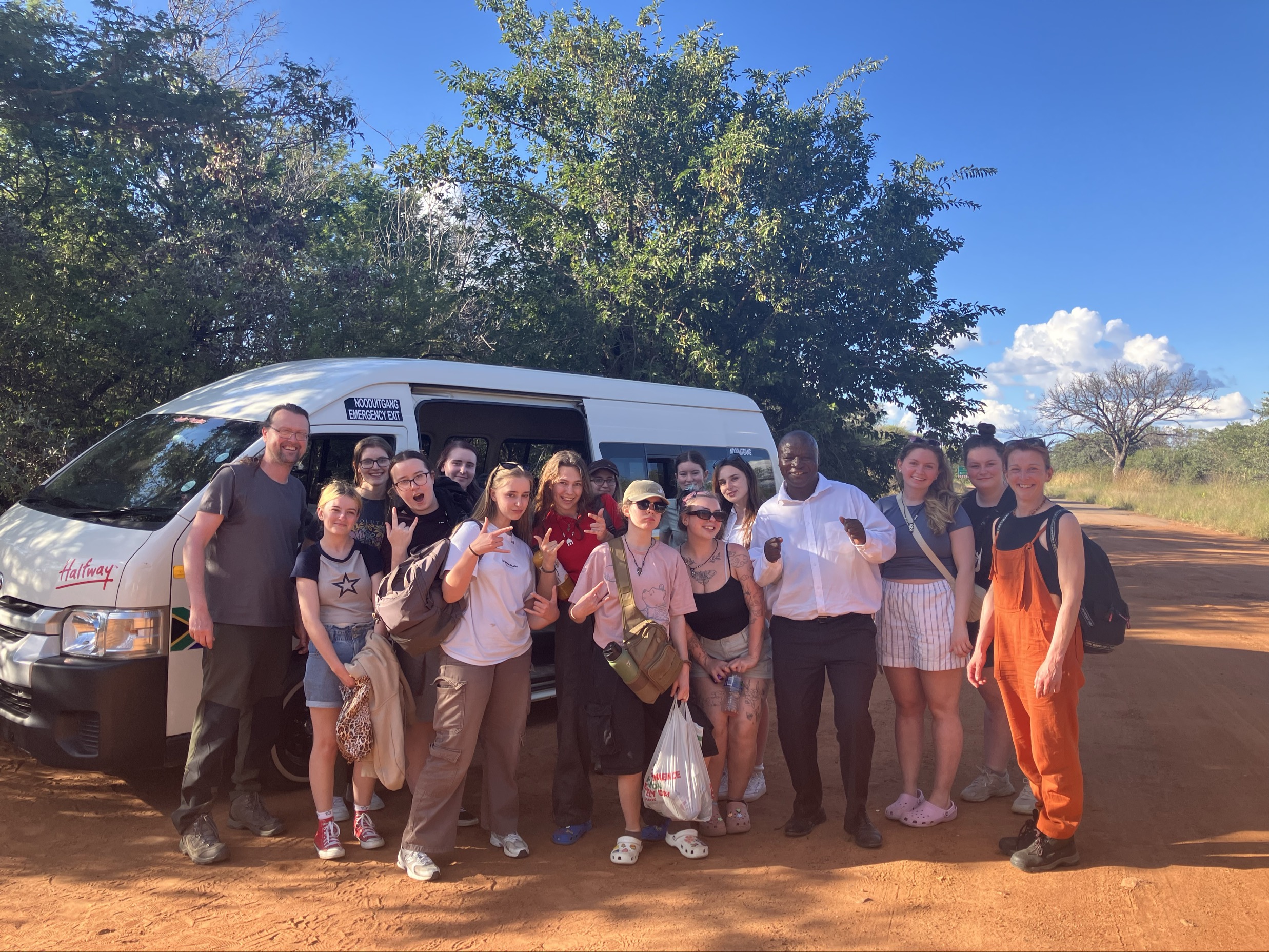
Several of our BSc. Animal Conservation, Behaviour and Welfare students have been on an incredible international trip to South Africa, visiting the Welgevonden Game Reserve to take part in the conservation efforts for the animals living there. This reserve is packed with exciting species, meaning our students could see incredible animals like rhinos, giraffes, elephants, zebras, wildebeest, impalas, warthogs and elephants on a daily basis!
We caught up with Sarah and Trevor, the lecturers who attended the trip to get up to speed on everything the students got up to!
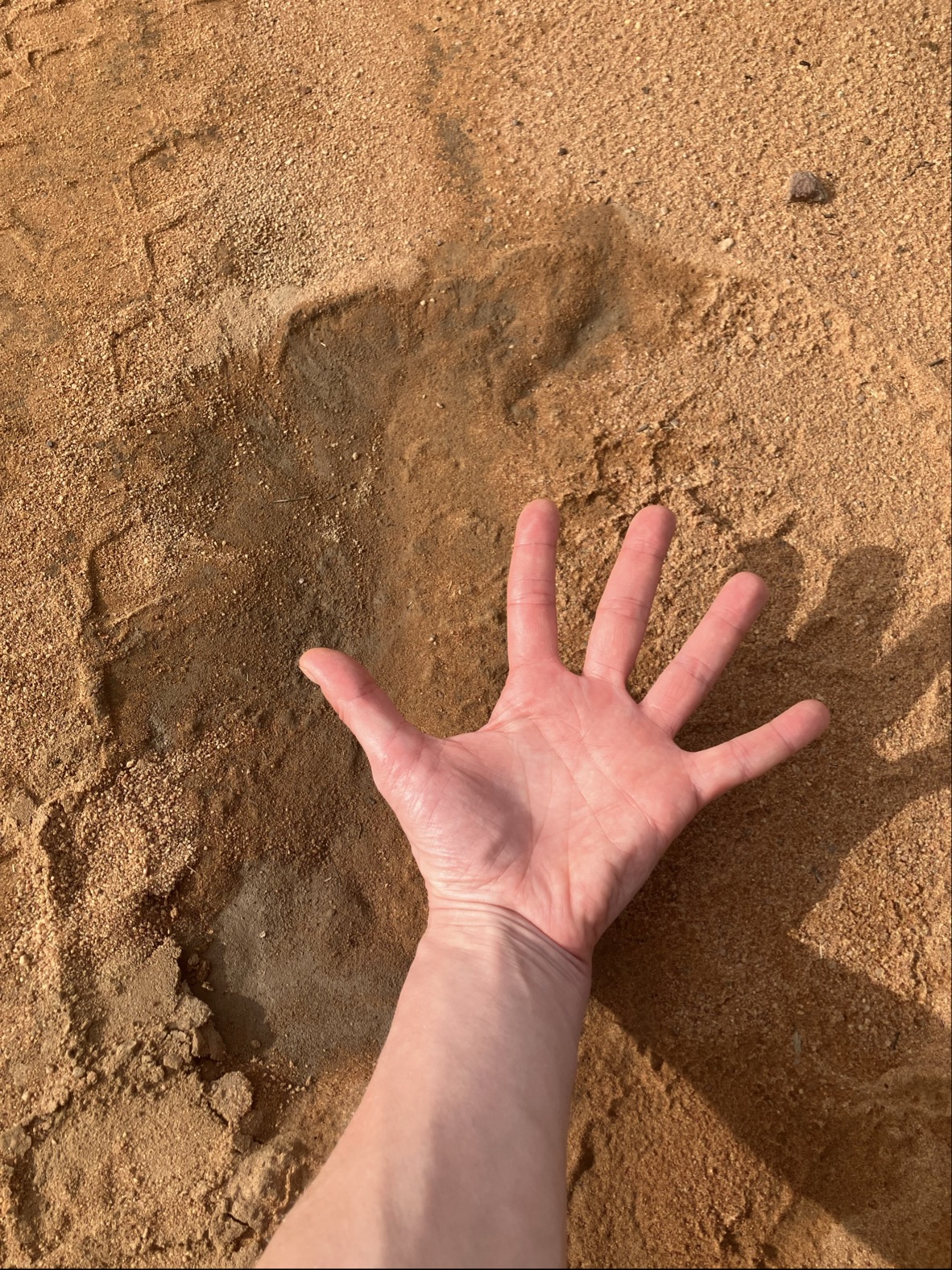
One of the first activities that students took part in was track spotting. Students were able to compare prints from elephants, zebras and wildebeest.
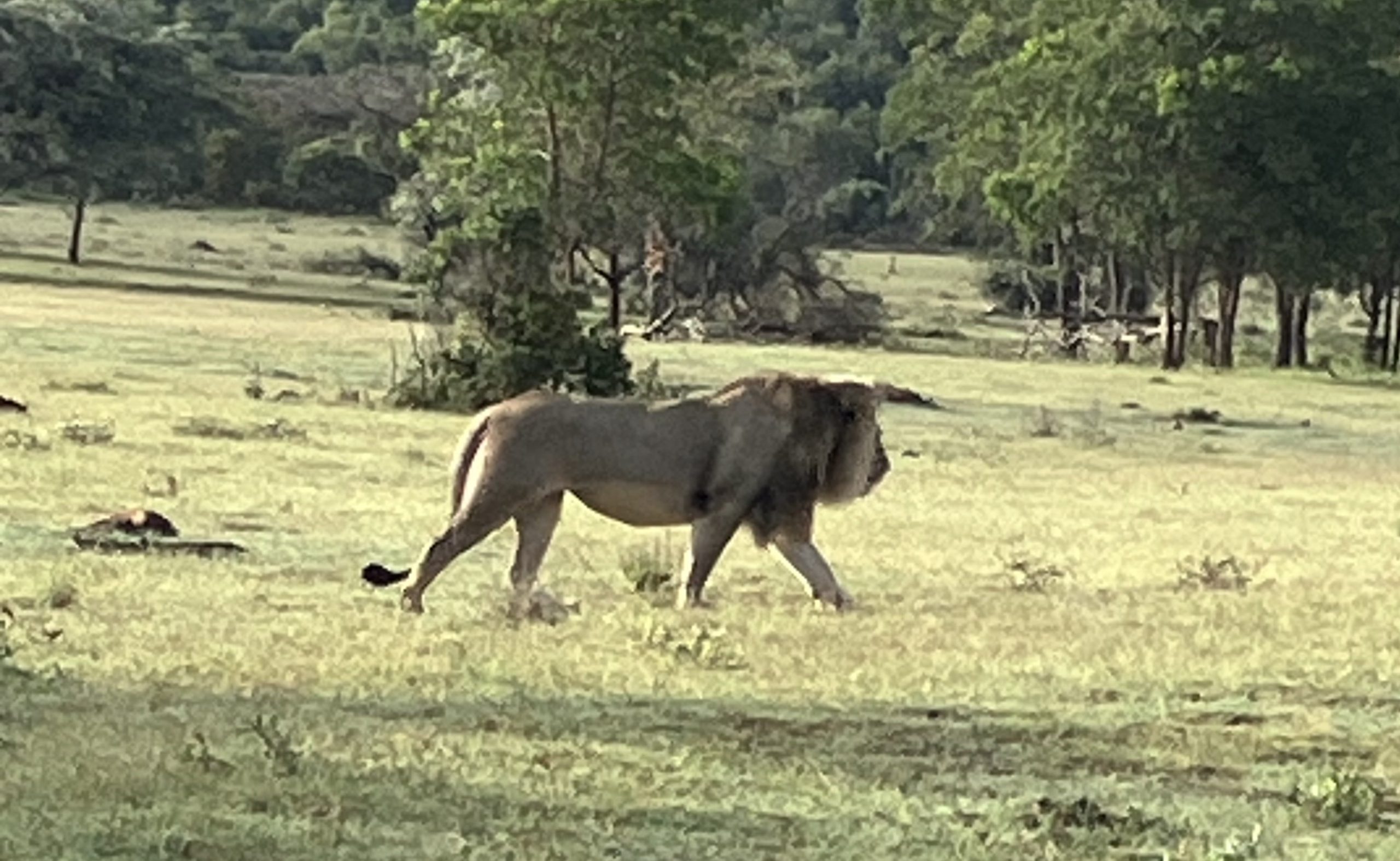
Following this, the students saw a male lion! They then learned about the genetic management of the two prides in the reserve. To maintain the gene pool and prevent inbreeding, Welgevonden work with other reserves to swap species and individuals.
The students then went on to animal tracking, finding a cheetah. Students also saw rhinos and had a lesson in ear notching and body condition scoring. With some rhinoceros being from other reserves, they do not do as well as rhinos born in the Welgevonden Reserve. Sarah said: “It was really good for student to practically see their theoretical knowledge being relevant as we have looked at this with UK case studies of salmon and sheep bloodlines.”
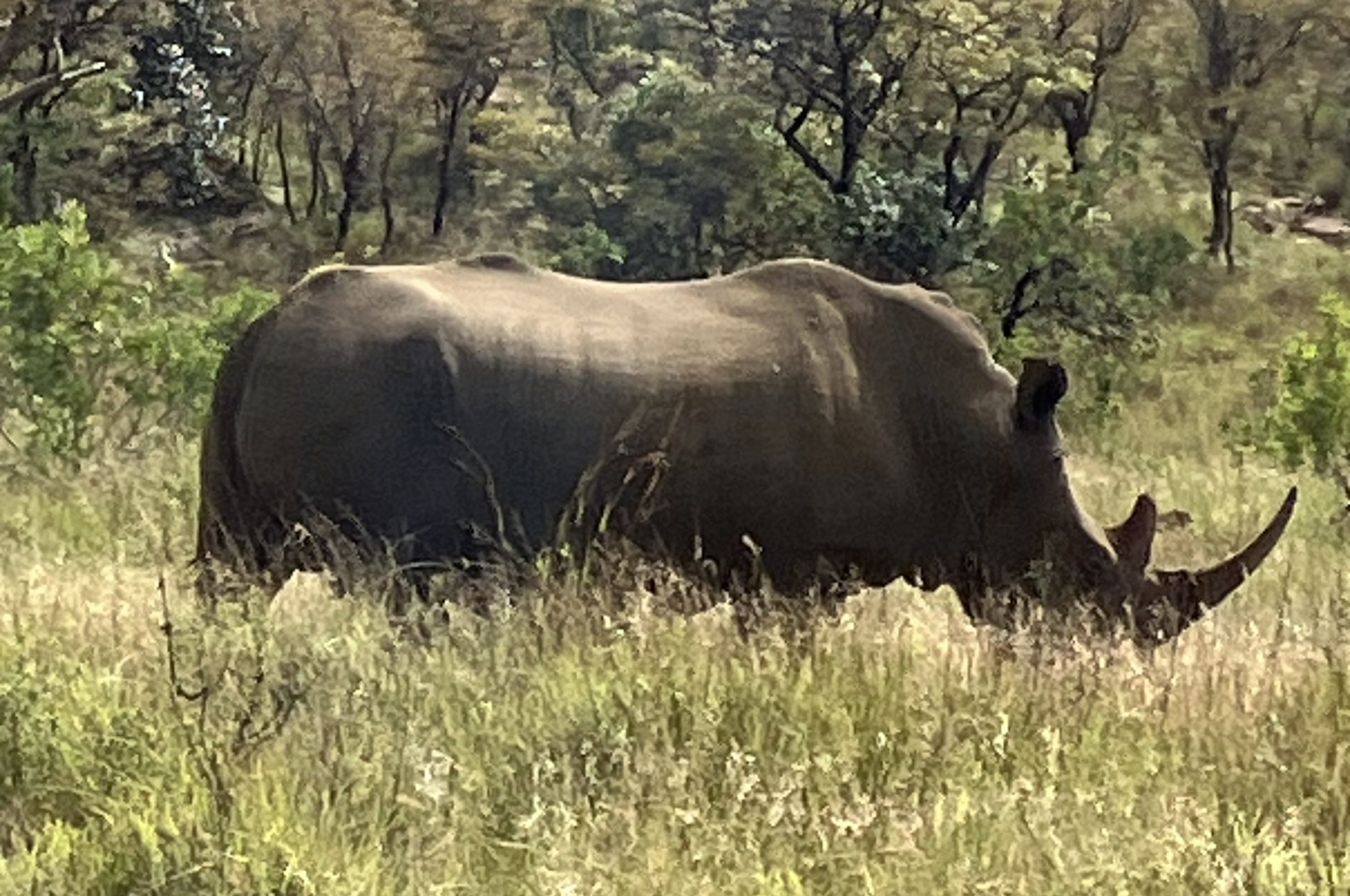
It’s not just animals that the students had to consider either. Sarah mentioned: “The nutrient quality of the plants is vitally important in order to sustain all the herbivores here and so routine sampling is part of the job!” While some students explored vegetation, others had a session identifying an exciting white rhino! Welgevonden Reserve is home to over 100 rhinos, making this the perfect environment to study these amazing animals.
Students also had the opportunity to do plains monitoring: “Plains monitoring is documenting every mammal using the area, age category, sex and activity.” Students spotted zebra, wildebeest and warthogs, numbering more than thirty individual animals!
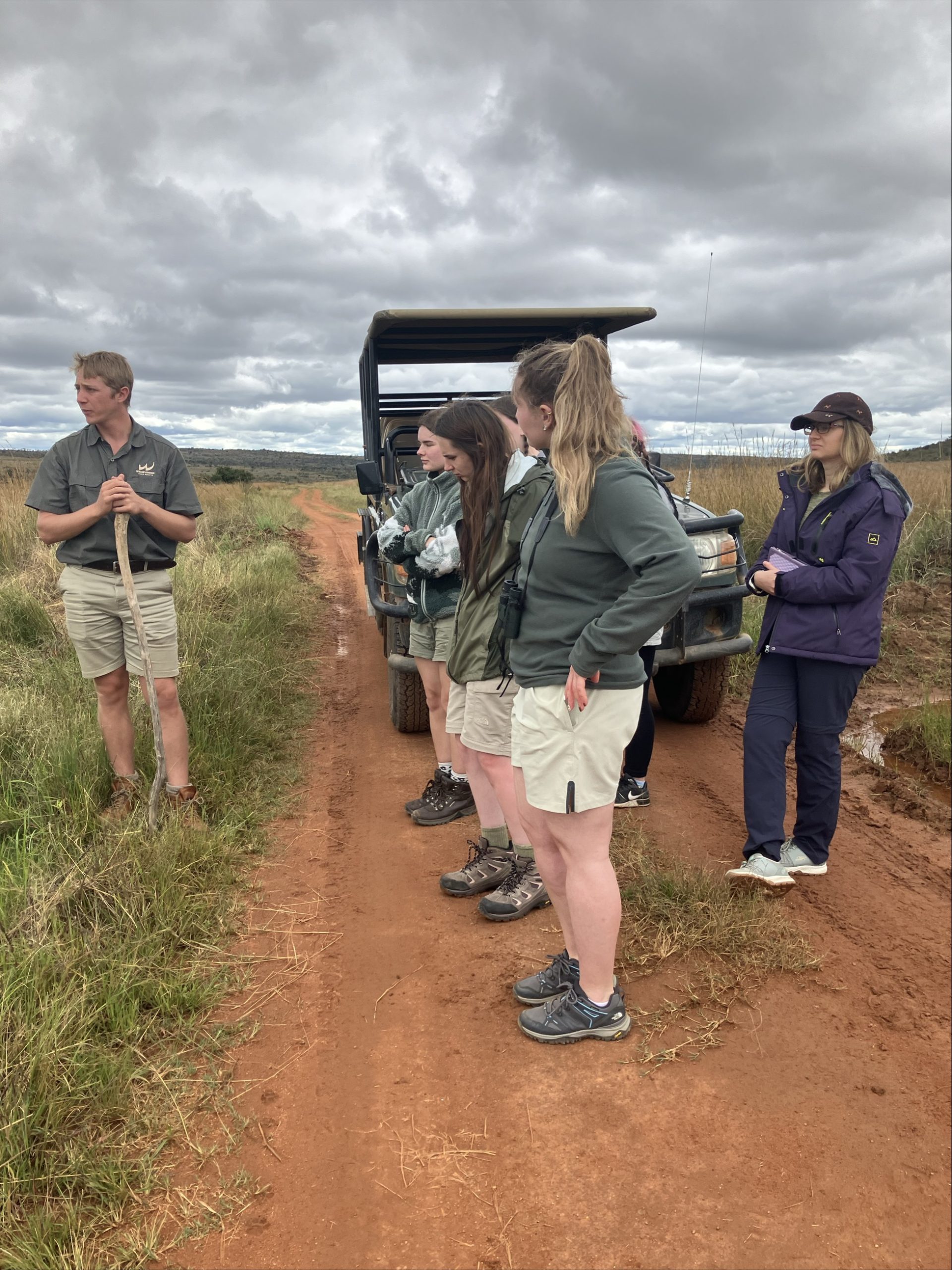
The third-year students performed game transects – a process where animal density and habitat is observed. “All the information that we have gathered is used to inform management decisions for the reserve – in terms of how much intervention is needed to sustain current populations in good conditions.” Highlights of this included seeing “a mega herd of elephants, a very impressive rainstorm, some epic views, a baby rhino, a few hour old water buffalo and the first tortoise of the trip!”
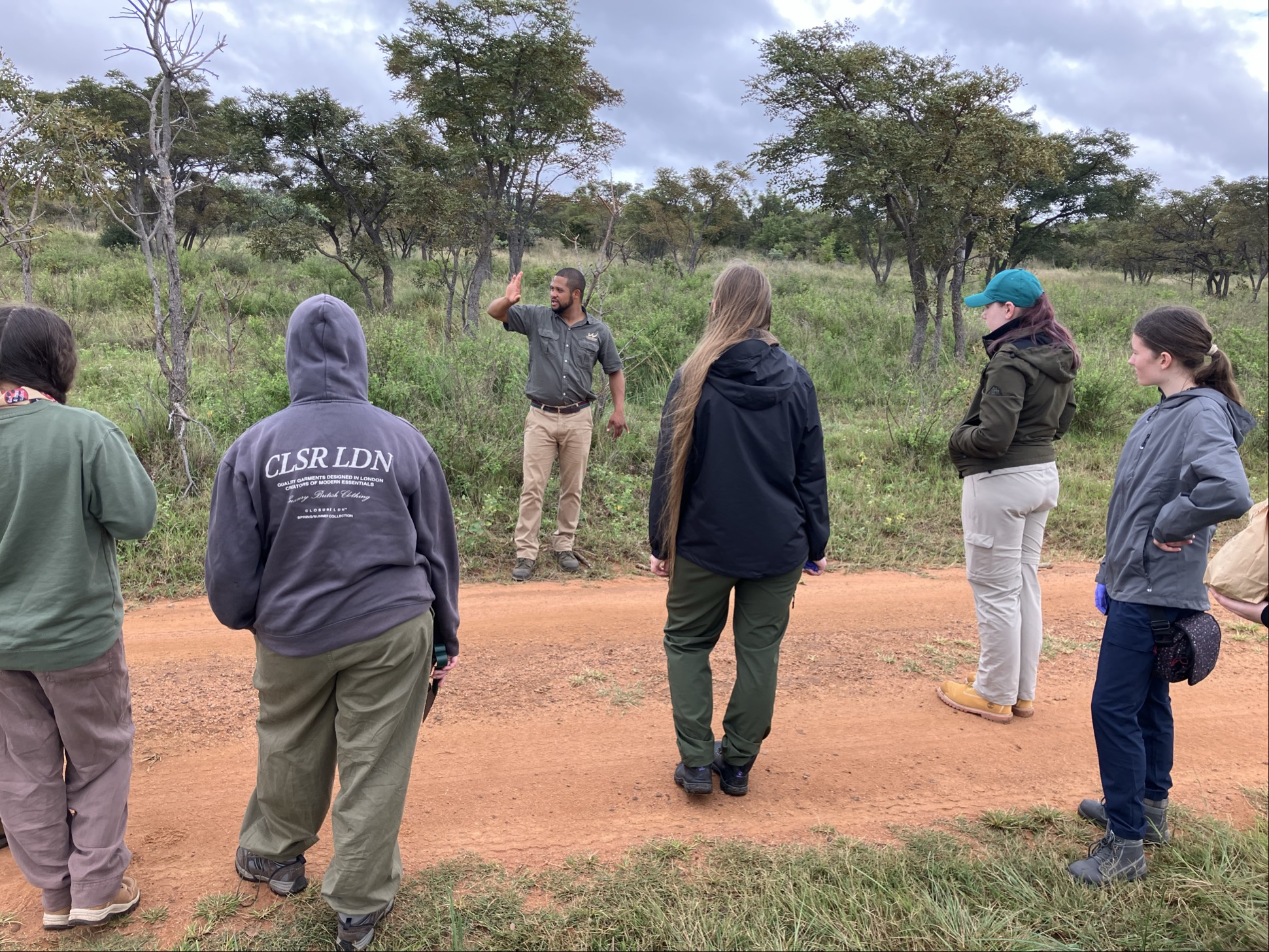
A range of important conservation sites were visited as part of the trip. The group visited the boma, a quarantine and holding facility for either; new arrivals, animals being relocated or any that need intervention. The carnivore boma held four spotted hyenas which are currently waiting for foot-and-mouth disease restrictions to be lifted. At the boma, students “had a really good session about the management of new arrivals in terms of habituating them to the reserve.” As part of the session “there were some really good ethical debates about how much intervention should there be and the classic trade-off between welfare and costings.”
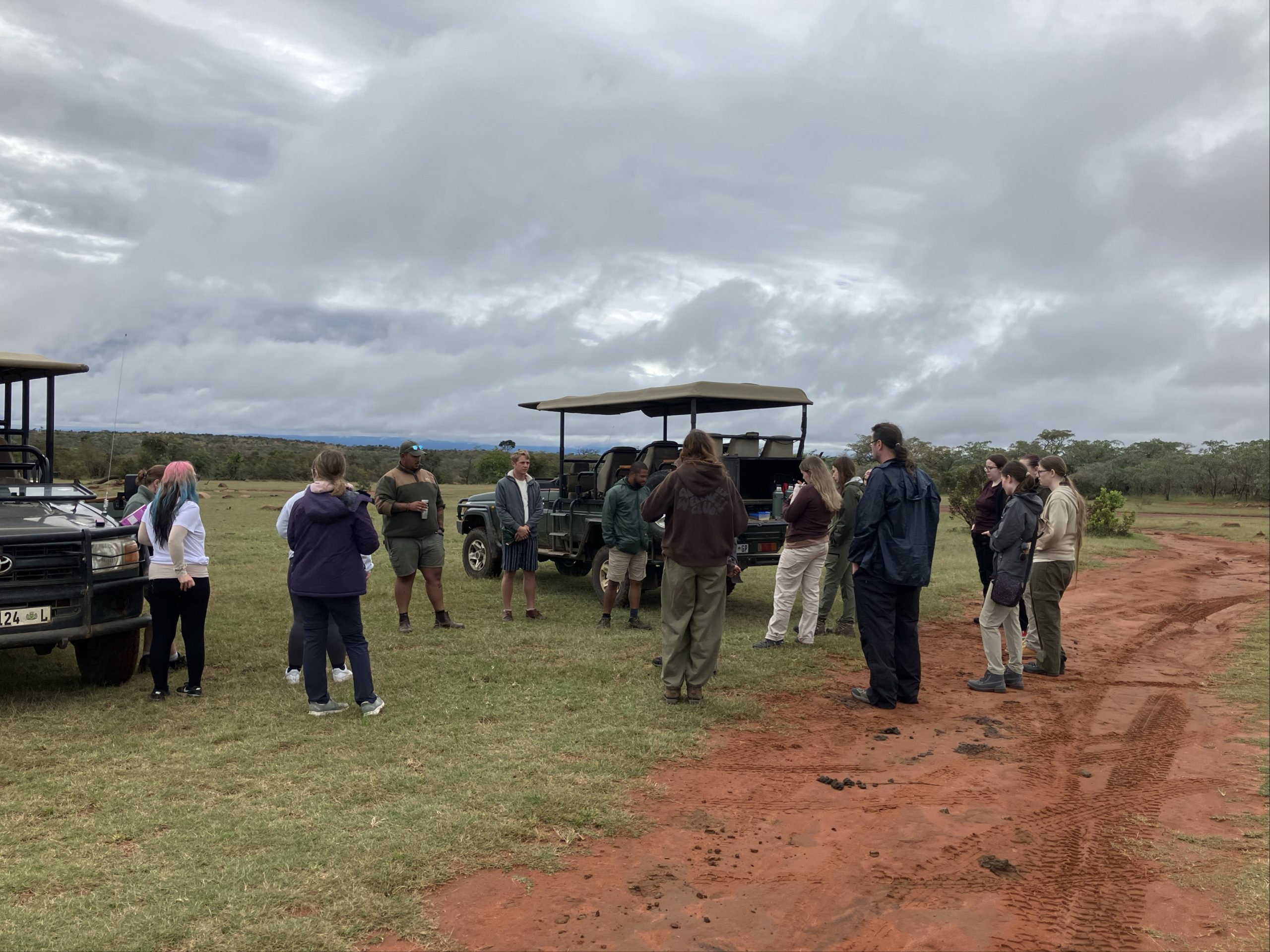
An additional duty that students took part in was collecting data from buried soil probes. These help the reserve staff to measure pH levels, temperature, water and minerals. This then informs decisions around branch packing, clearance and block burning.
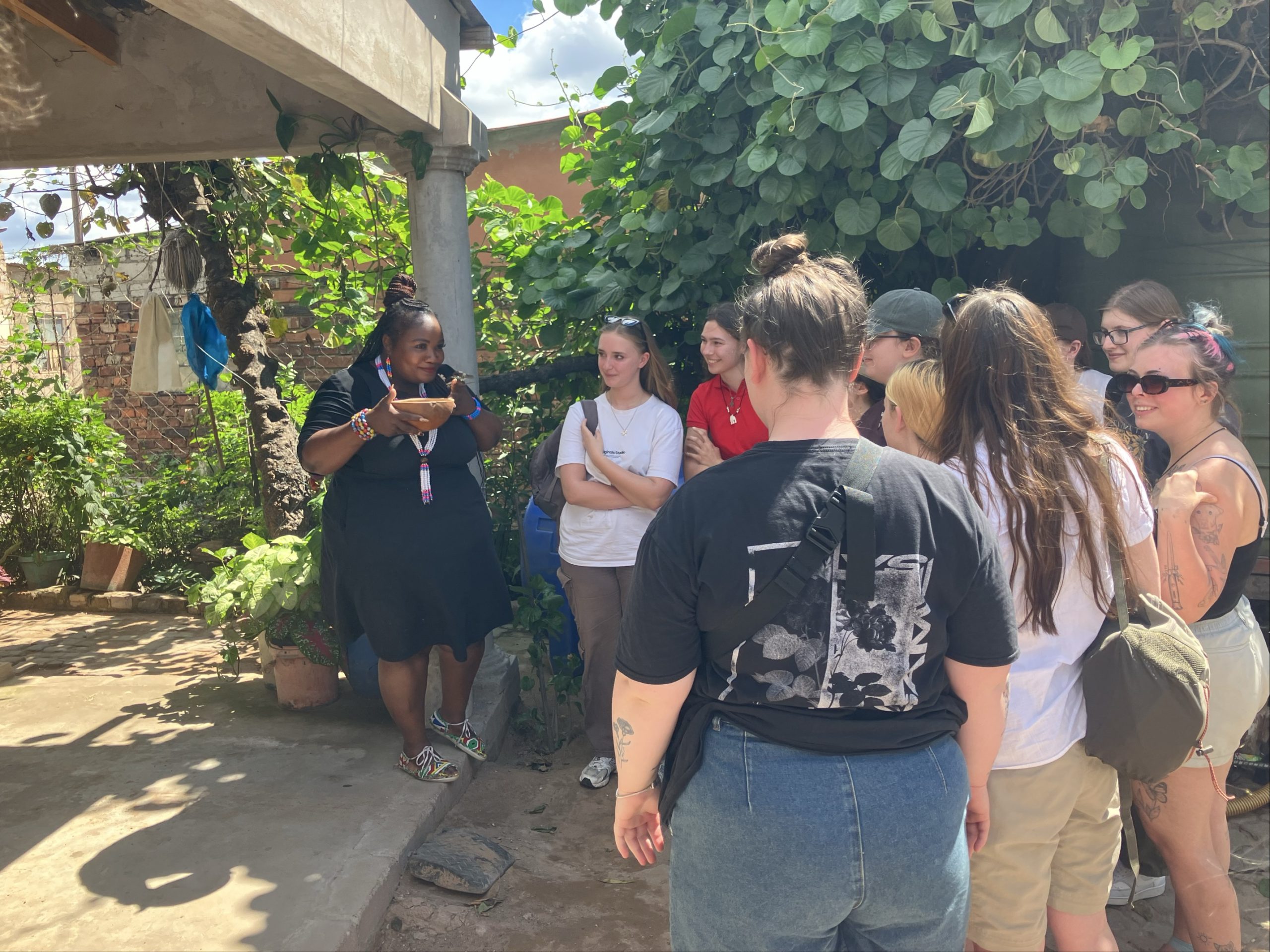
Taking a break from the wildlife angle of their trip, the students were given a chance to explore the rich culture and history of South Africa. “We learnt about apartheid, local cultural traditions, visited a spiritual healer, tried a traditional drink made from maize and wheat locally brewed and produced, ate local food and watched local cultural dances!” Students also saw Nelson Mandela’s estate, an important historical site.
This trip forms part of the Animal, Environment and Biological Studies Careers Excellence Hub. University Centre Weston’s Career Excellence Hubs are designed to be the launching pad for our learners’ careers. In a world where connections and relevant skills matter more than ever, these hubs offer a holistic approach that prepares learners to thrive in their chosen industries. With the support of these hubs, our learners are well-equipped to make a significant impact in their professional journeys.
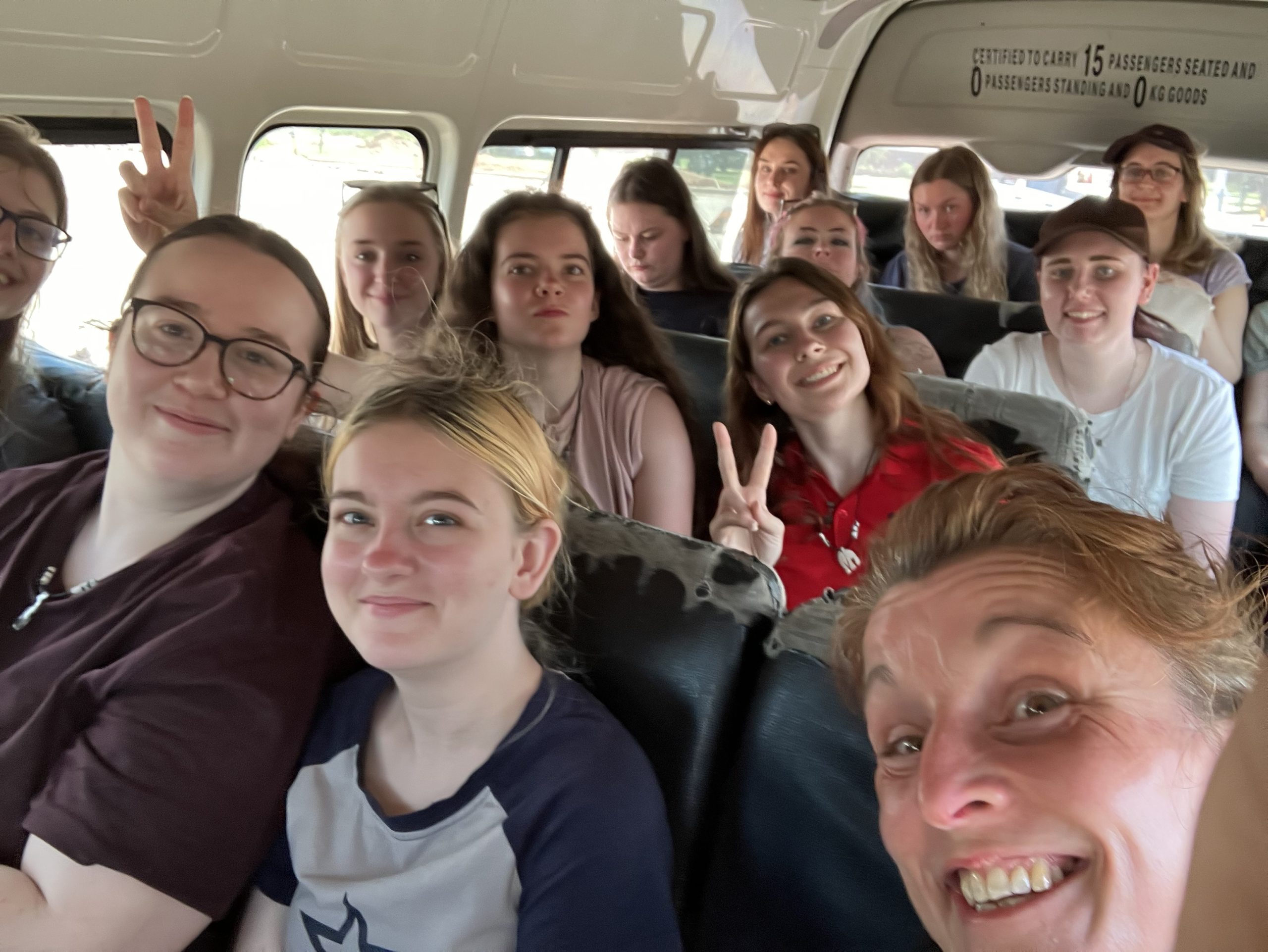
This trip was an incredible opportunity for students to practice their skills and expertise in an awe-inspiring environment. The life experiences gained on this trip will stay with students forever and no doubt contribute to their careers and futures! If you want to find out more about how to join incredible trips like this one, explore our Animal Conservation, Behaviour and Welfare course page here!