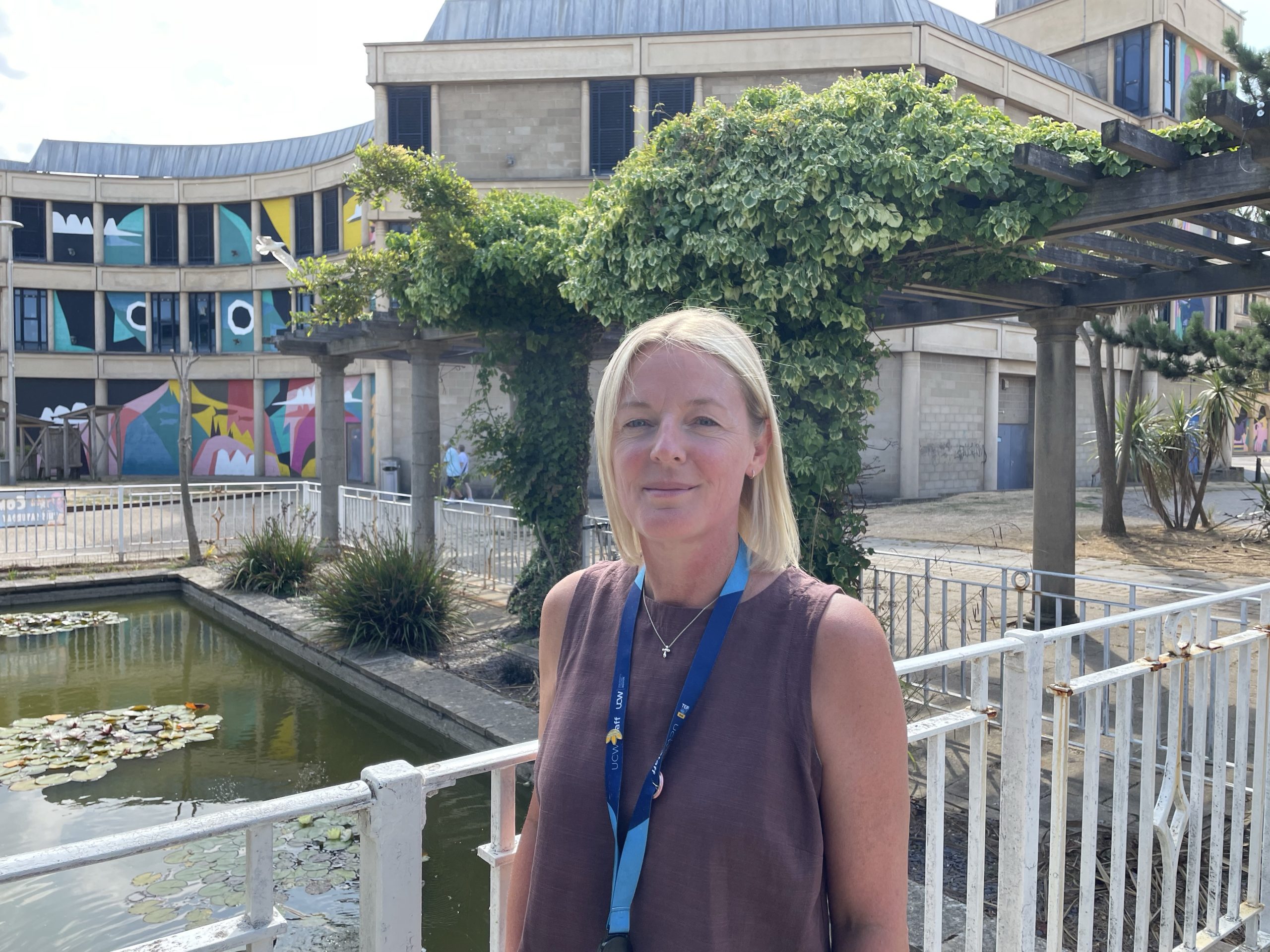
We’re celebrating Early Years Education and Education, Society and Childhood lecturer Lauren who recently had an article published in Early Years Educator magazine! We caught up with her to hear all about it:
How did this opportunity to publish this article arise?
The Early Years & Education Team nominated Keepers Gate Forest School in Weston super Mare for placement provider of the year recognition at the Early Childhood Studies Degree Network inaugural awards earlier this year and they won! Students who have attended have been both personally and professional transformed following their placements at this setting and I recently volunteered returning to practice after many years of teaching at UCW. The judges said: ‘This setting exemplifies best practice in placement provision. Students are given meaningful responsibilities, encouraged to engage with children’s learning, and supported in linking theory to practice.’ I decided to contact the editor of the Early Years Educator magazine to further celebrate this achievement and suggested the content of an article for publication.
Could you give me an overview of some of the key points from your article?
The idea for the article was to discuss what makes a good placement experience for a student studying Early Years at degree level and therefore gain insight from students and staff. Anna Lagler (Student), Jo Wood (Placement Coordinator at UCW) and Rachel Landen & Nicky Lewis (Setting Owners & Mentors) all contributed to support the article offering a variety of perspectives.
The main findings from the interviews highlighted how strong partnerships between universities and placement settings help students develop professional skills and a deeper understanding of children’s learning and development. The article also highlighted the importance of supportive mentoring, offering students meaningful responsibilities, reflective practice and opportunities to connect theory to real-world experiences. It also emphasises the transformative impact placements can have on students’ confidence, professional identity, and understanding of diverse approaches to working with children and families.
How can your students benefit from placements?
Placements are one of the most valuable aspects of a student’s learning journey. For Early Years students, they provide opportunities to apply theory to practice, develop professional confidence, and gain first-hand experience of working with children, families and practitioners. They also help students explore different approaches to education and care, enabling them to identify the environments and career pathways that best suit their interests and values.
These benefits extend beyond Early Years. Placements allow students across a range of UCW courses to develop workplace skills, build professional networks, and enhance their employability. They offer authentic learning experiences that help students make meaningful connections between their academic studies and future careers, while also developing confidence, communication skills and professional identity.
How can your Early Years courses support learners to find and complete placements?
At UCW, we work closely with a wide range of placement providers to help students find experiences that align with their interests, career goals and course requirements. Our dedicated Placement Coordinator supports both students and settings throughout the process, ensuring expectations are clear and that placements provide meaningful opportunities to develop professional skills.
Students are supported through placement observations, mentoring arrangements and structured reflective activities that help them make connections between theory and practice. We also encourage students to explore a variety of settings, including innovative provisions such as outdoor learning environments, so they can gain a broad understanding of the sector and identify the approaches that resonate most strongly with them. Through strong partnerships with placement providers, we aim to create enriching experiences that build students’ confidence, competence and professional identity.
If you want to find out more about our Early Years courses, click here!